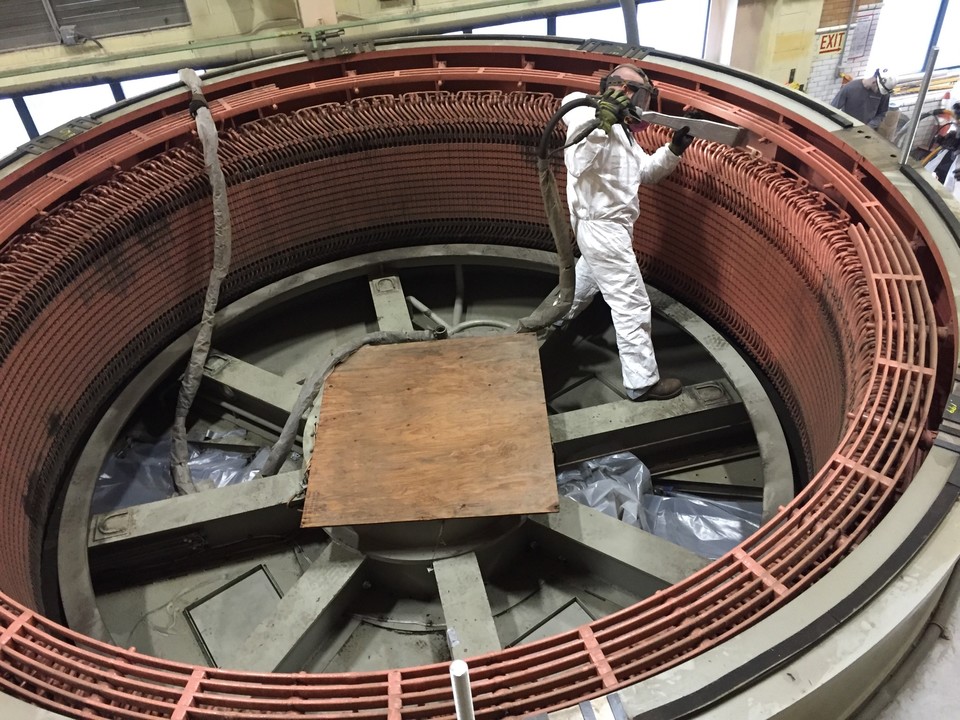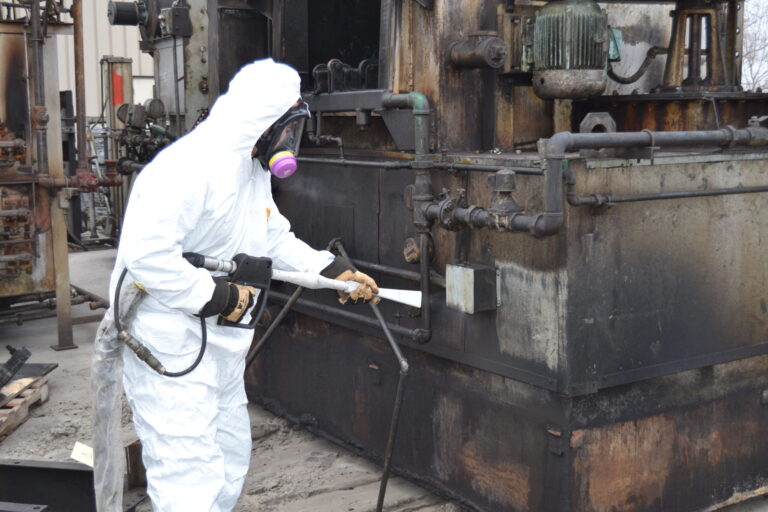
In electrical and power generation industries, maintaining clean and efficient equipment is essential for performance, safety, and long-term reliability. Components such as stators, rotors, generators, transformers, and control panels accumulate dust, carbon deposits, grease, and other contaminants over time.
Traditional cleaning methods using water, chemicals, or abrasives can damage sensitive components or cause electrical hazards. That’s why dry ice cleaning has become a preferred solution for stator, rotor, and electrical equipment maintenance.
What Is Dry Ice Cleaning?
Dry ice cleaning (also known as dry ice blasting) uses solid carbon dioxide (CO₂) pellets accelerated with compressed air to remove contaminants from surfaces.
When dry ice pellets hit the surface:
- They create thermal shock that loosens contaminants.
- They sublimate instantly (turn into gas).
- No moisture or secondary waste remains.
This makes the process completely dry, non-conductive, and safe for electrical applications.
Why Dry Ice Cleaning Is Ideal for Stators and Rotors
1. Non-Conductive and Moisture-Free
Electrical components cannot tolerate water or moisture. Traditional water-based cleaning methods require long drying times and increase the risk of:
- Short circuits
- Insulation damage
- Corrosion
Dry ice cleaning is completely dry and non-conductive, making it safe for energized or sensitive equipment (when performed under proper safety procedures).
2. No Abrasive Damage
Stator windings, rotor components, and insulation systems are delicate. Abrasive blasting methods can:
- Damage insulation
- Wear down copper windings
- Reduce equipment lifespan
Dry ice cleaning is non-abrasive and removes contaminants without affecting the base material.
3. Removes Tough Contaminants
Electrical equipment commonly accumulates:
- Carbon deposits
- Oil and grease
- Dust and dirt
- Insulation residue
- Production buildup
Dry ice blasting effectively removes these contaminants while preserving component integrity.
4. Reduced Downtime
In power plants and manufacturing facilities, downtime is extremely costly.
Dry ice cleaning:
- Requires no disassembly in many cases
- Leaves no residue
- Requires no drying time
- Allows faster restart of operations
This significantly reduces maintenance shutdown periods.
5. Environmentally Friendly Process
Dry ice cleaning:
- Uses recycled CO₂
- Requires no harsh chemicals
- Produces no secondary blasting media waste
- Minimizes disposal costs
This makes it suitable for environmentally regulated industries.
Applications in Electrical Industries
Dry ice cleaning is widely used for:
- Power generation plants
- Electric motor maintenance
- Turbine cleaning
- Transformers
- Switchgear panels
- Control cabinets
- Manufacturing electrical components
It ensures optimal performance and extends the life of high-value electrical assets.
Key Benefits at a Glance
- Safe for sensitive electrical components
- Non-abrasive and non-corrosive
- No moisture or secondary waste
- Reduces downtime
- Extends equipment life
- Improves operational efficiency
Conclusion
In the electrical industry, proper maintenance directly impacts performance, safety, and reliability. Dry ice cleaning offers a modern, safe, and efficient solution for cleaning stators, rotors, and other critical electrical components.
By choosing dry ice cleaning, industries can protect valuable equipment, minimize downtime, and maintain peak operational performance.