The Complete Guide to Welding Rod Supplies: Choosing the Right Electrodes for Every Job
Welding is one of the most essential processes in construction, manufacturing, automotive repair, shipbuilding, and heavy industry. At the heart of every strong weld lies a critical component — the welding rod. Choosing the right welding rod supplies ensures durability, safety, efficiency, and cost-effectiveness.
In this guide, we’ll explore different types of welding rods, their applications, and how to select the best supplies for your projects.
What Are Welding Rods?
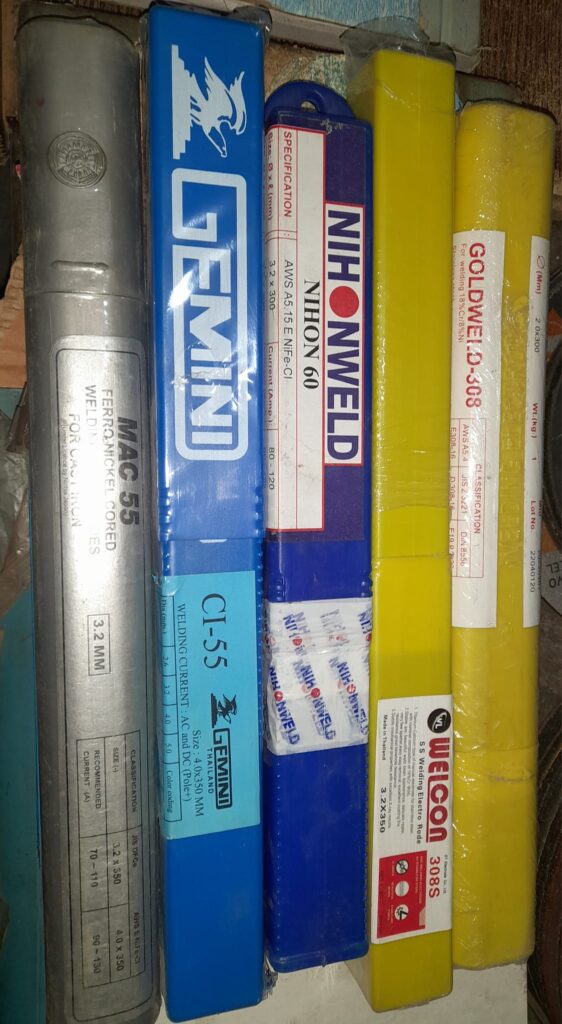
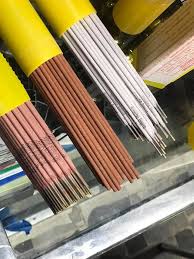
Welding rods, also known as electrodes, are metal wires coated with flux used to create an electric arc between the rod and the base metal. This arc generates heat that melts both materials, forming a strong bond upon cooling.
The flux coating protects the weld area from contamination and improves weld quality.
Common Types of Welding Rods
Understanding rod classifications helps ensure optimal performance and structural integrity.
1. E6010 Welding Rods
- Deep penetration
- Ideal for pipe welding and dirty or rusty metals
- Commonly used in construction and repair work
2. E6011 Welding Rods
- Suitable for AC welders
- Works well on galvanized or painted steel
- Excellent for farm and field repairs
3. E6013 Welding Rods
- Smooth arc and minimal spatter
- Great for sheet metal
- Ideal for beginners and light fabrication
4. E7018 Welding Rods
- Low hydrogen electrode
- Produces strong, crack-resistant welds
- Frequently used in structural steel projects
Industries That Depend on Welding Rod Supplies
Reliable welding rod supplies are crucial in:
- Construction and infrastructure development
- Oil & gas pipeline projects
- Automotive manufacturing and repair
- Shipbuilding
- Heavy machinery production
Quality supplies directly impact weld strength, longevity, and safety compliance.
Factors to Consider When Buying Welding Rod Supplies
1. Material Compatibility
Always match the rod type to the base metal (mild steel, stainless steel, cast iron, etc.).
2. Welding Position
Some rods perform better in flat positions, while others are designed for vertical or overhead welding.
3. Storage Requirements
Low hydrogen rods (like E7018) require dry storage to prevent moisture absorption, which can cause weld defects.
4. Quantity and Bulk Purchasing
Buying in bulk reduces costs for large-scale industrial projects.
5. Supplier Reliability
Choose suppliers that provide certified, quality-tested products to ensure consistent results.
Benefits of Partnering with a Trusted Welding Rod Supplier
Working with a reliable welding rod supplier ensures:
- Consistent product quality
- Competitive pricing
- On-time delivery
- Technical support and guidance
- Availability of multiple electrode grades
A strong supply chain minimizes downtime and increases project efficiency.
Why Quality Welding Rod Supplies Matter
Using substandard rods can result in:
- Weak weld joints
- Porosity and cracking
- Increased rework and labor costs
- Safety hazards
Investing in premium welding rod supplies guarantees stronger welds, improved productivity, and long-term structural reliability.
Final Thoughts
Whether you’re a small workshop owner or a large industrial contractor, selecting the right welding rod supplies is essential for producing high-quality welds. By understanding electrode types, applications, and supplier standards, you can ensure superior results on every project.
If you’re looking for dependable welding rod supplies at competitive prices, partner with a trusted supplier who understands your industry needs.